Nic Kidston, Co-CEO, Peer Power Youth
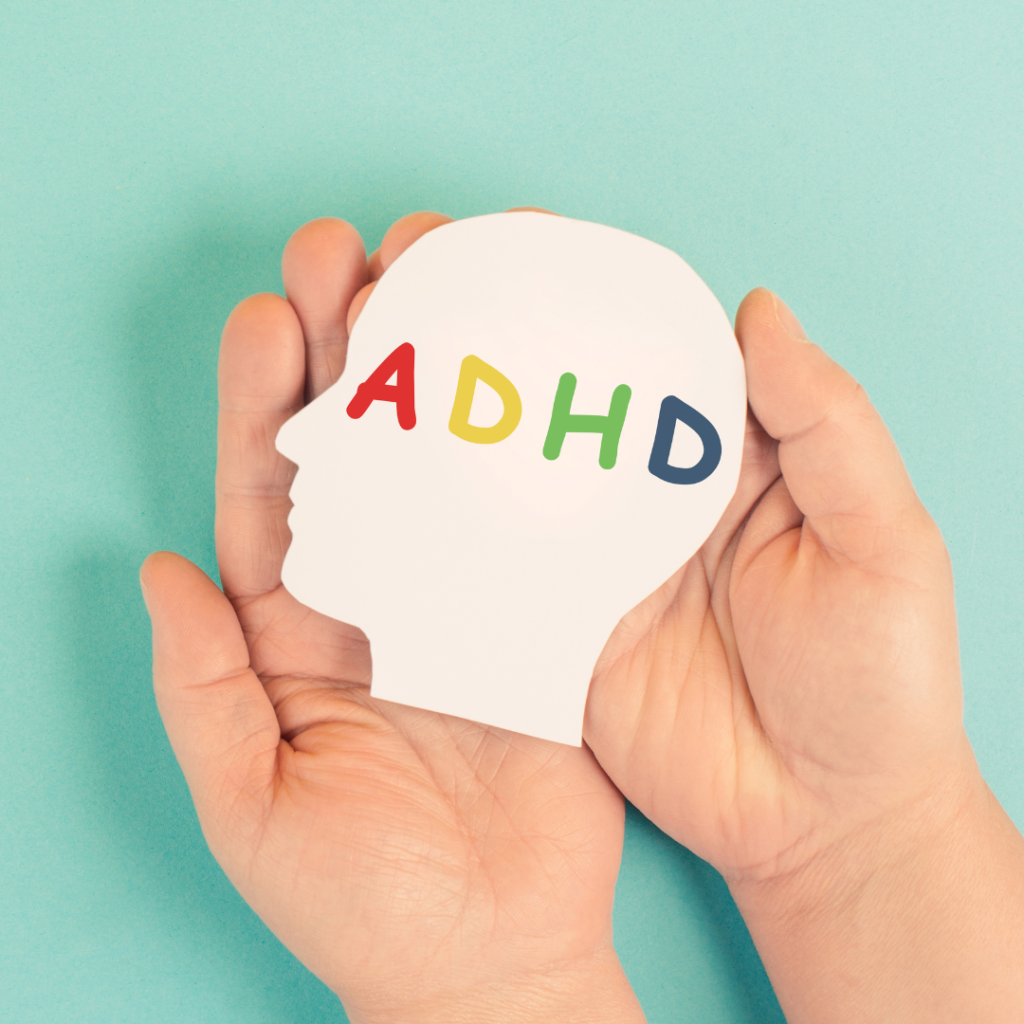
Since arriving at Peer Power Youth two years ago I have been struck by the power of a strengths-based approach to working with neurodiversity. As a Co-CEO in a very diverse and talented team and a parent of children with ADHD, I see first-hand how letting strengths come to the fore we can achieve so much when applying a range of amazing brains to any task. For this to happen we must all play a part in to make the context work for everyone. As I reflect on ADHD awareness month in October, here are some tips and advice for living and working alongside people who experience ADHD.
ADHD stands for Attention Deficit Hyperactive Disorder and is a neurodevelopmental condition that affects both adults and children. This awareness month allows us to educate the public, reduce stigma, and provide support to individuals.
1. Empathy
By leading with empathy, we can be compassionate and caring whilst understanding the experiences of ADHD to help support those around us. This can look like learning about ADHD by asking questions and reading articles, as well as starting open conversations to reduce stigma. Also changing how we work to allow other strengths to shine.
2. Educate Yourself
Being able to educate yourself and others on ADHD, means there is a wider understanding of both strengths and challenges that people with ADHD experience. Having conversations with others to dispel common stereotypes and misconceptions such as laziness and disruptiveness.
3. Start with Strengths
It is important to recognise the strengths of people with ADHD, such as creative problem solving, hyper focus, vison and imagination, and sense of humour. By recognising these strengths, we can enable others to do their best work and ensure positive work culture.
4. Adapt and Flex
Take a systems-based approach, simple adaptations to a working environment can help enhance people’s performances and make them feel comfortable and welcome. Flexible working spaces that are thoughtful around sensory input, and discussing working styles with those around you provides people with a productive and safe space. These could include quiet break out rooms, taking regular breaks, offering regular check ins, and proving fidget toys.
Being flexible and consistent in the way that you work, for example presenting information that takes account for different working styles. For example, use of visuals, graphs and tables or putting an Excel sheet into a Word document. Asking what format before-hand can make collaboration more effective.
5. More than ADHD
Whilst all of the above are important, it is important to look beyond ADHD when working with others and remember the wider context too. Not everything that is going well or not so well will be because of how it interacts with someone’s experience of ADHD.
There are multiple parts to individuals and the systems we work within. Every individual has different needs (perhaps even co-occurring conditions) and experiences something unique, so it is essential that we can offer empathetic support whenever we can.
6. Remember your own needs
Taking care of your own needs allows you to be a more effective and empathetic source of support for individuals with ADHD or others who experience neurodivergence. It is important to set boundaries and communicate your needs as well. By maintaining your own well-being, you can create a more harmonious and supportive environment for everyone.
Sign up to our newsletter to for more Peer Power Youth news and information here.
About Peer Power Youth
Peer Power Youth is a national charity that does vital work to support young people dealing with trauma.
We care for young people, sometimes at the most difficult times in their lives, and we give them the time they need, for as long as they need.
We build on strength and lead with empathy, which means that we know what’s needed to build trusted relationships and improve support services, because many of us have had similar experiences.
Despite their circumstances, we see their power and potential.
LinkedIn / X (formerly known as Twitter) / Facebook / Instagram / Website
Keep up with the latest on empathy, co-production and youth-led system change.





Website by Eyes Down Digital